India for Vegans: The World’s Vegetarian Capital
This article contains affiliate links (paid links) and Veggies Abroad is a member of Amazon Services LLC Associated Program. At no cost to you, I may earn a small commission if you make a purchase — this helps keep Veggies Abroad churning out free content! For an explanation of our advertising partnerships, please review our privacy policy.
Which country has the most vegetarians on earth? The answer is India, hands down.
It’s home to more vegetarians than any other nation in the world, hundreds of millions of people who have never eaten meat in their lives. Menus split into two columns before you even sit down. Entire families have cooked dishes packed with legumes and spices, for generations.
It sounds like a dream, right?
Kind of. India is genuinely one of the best places on the planet to eat plant-based: rice and lentils, colorful curries, dosas the size of your forearm, more temple food than you could work through in a month. But the distinction between “vegetarian” and “vegan” is bigger in India than most other countries, and dairy plays an ominous role in the story.
So, before you land expecting an easy ride, it’s worth understanding how the two actually differ, and where you’ll eat well without even trying.
Let’s get into it.
Is India Actually Vegan-Friendly?
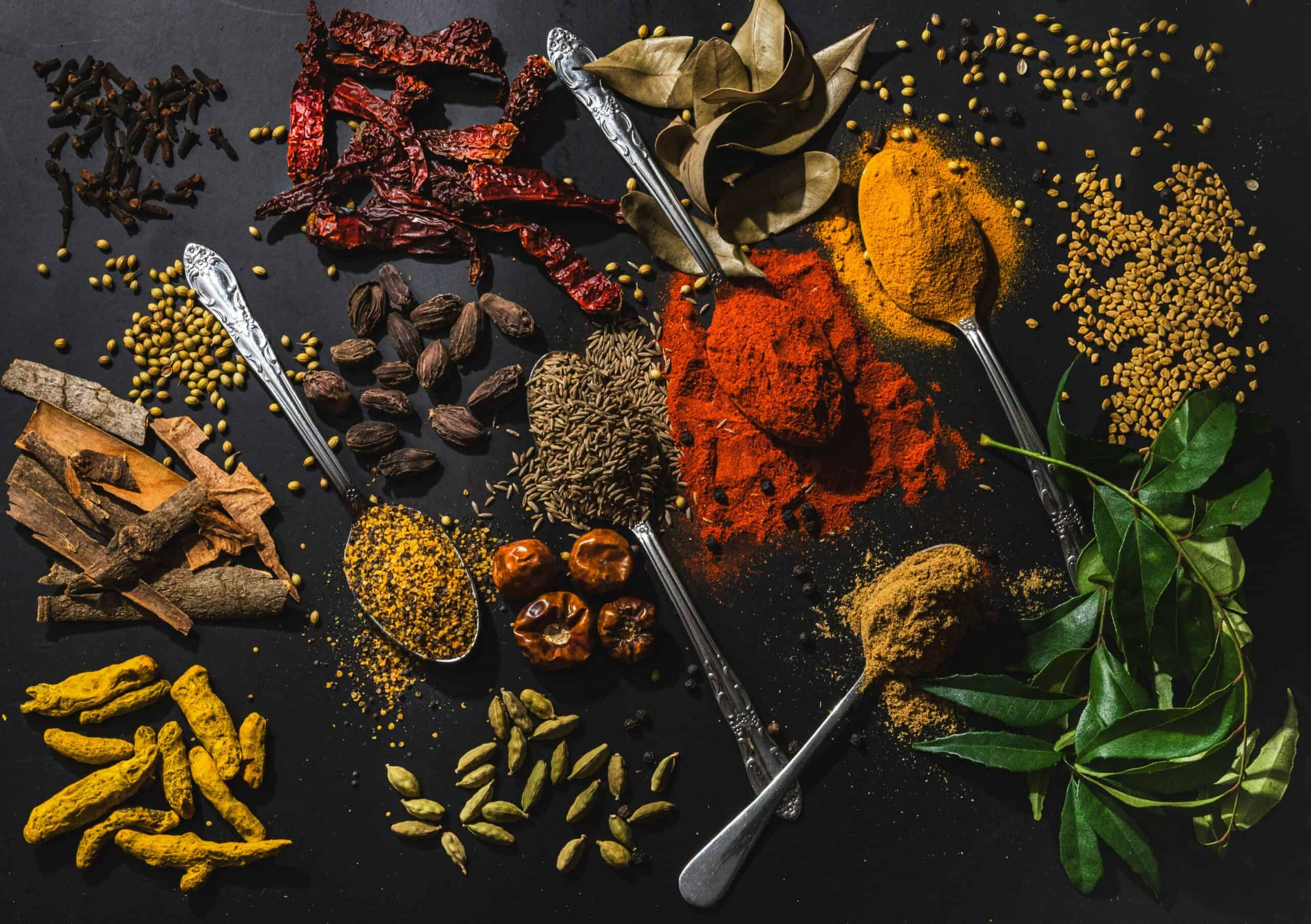
Short answer: yes, with a bit of navigating. India’s vegetarian food culture means plant-based cooking is taken seriously everywhere, not treated as an afterthought or a special request. Beans, rice, vegetables, and spices are the backbone of the cuisine, not a side dish to meat. That alone puts India ahead of most countries for a vegan trying to eat well on the road.
Just like is the US, “vegetarian” in India includes dairy, just a lot more of it. Milk, yogurt, butter, and cheese aren’t optional extras here, they’re often the base of a dish, not a topping. So while you’ll never struggle to find a vegetarian restaurant, finding a vegan one takes more intention, and eating vegan usually means being selective within vegetarian menus rather than expecting a dedicated plant-based section.
The good news is that once you know what to look for, and which regions and dishes lean naturally plant-based, eating vegan in India stops feeling like a workaround and starts feeling like the obvious way to eat. That’s what this guide is all about.
The Dairy Reality
Here’s the piece that catches a lot of vegan travelers off guard. India’s vegetarian tradition runs so deep, for religious, cultural, and historical reasons, that dairy stepped in long ago as the primary source of richness and protein that meat provides in most other cuisines.
Milk, curd (yogurt), paneer, butter, cream, and ghee aren’t occasional ingredients, they’re baked into the identity of the food itself. A creamy dal often gets its silkiness from a spoonful of butter or cream. Curries are finished with yogurt. Sweets (and there are a lot of them) are almost always dairy-based.
Ghee deserves its own mention. It’s clarified butter, used as the default cooking fat in a huge number of dishes, from dal to rotis to rice. Because it’s cooked into a dish rather than served alongside it, ghee is easy to miss. A vegetable curry that looks entirely plant-based on the plate may well have been cooked in it.
There’s a real irony worth sitting with here, too. Cows are sacred in Indian culture, protected, rarely eaten, sometimes even free to wander city streets. But that sacred status doesn’t extend to the dairy industry itself, which runs on the same separation of calf from mother, and the same eventual fate for cows once milk production drops, as anywhere else in the world. It’s a contradiction that’s easy to miss from the outside.
None of this means eating vegan in India is a losing battle, far from it. It just means going in with clear eyes about how central dairy is to the cuisine, so you can steer around it rather than being caught off guard by it.
And What About Eggs?
One more wrinkle, and it’s a good one to know before you land, is that in India, eggs are classified as non-vegetarian. Under both Hindu and Jain dietary traditions, eggs fall outside what counts as vegetarian food.
Practically, this works in our favor. A “pure vegetarian” restaurant, and there are plenty, guarantees no eggs on the menu at all, which narrows down what you actually need to watch for to dairy alone. It also explains why egg dishes are so rare outside of specifically non-vegetarian restaurants, even in cities where meat is easy to find. A small detail, but a useful one to file away.
The Green Dot, the Brown Dot
India has a built-in visual system for figuring out what’s vegetarian at a glance. Packaged food, takeaway containers, and buffet spreads are legally required to carry a small green dot inside a green square for vegetarian, or a brown dot for non-vegetarian. Once you know to look for it, you’ll spot it everywhere. On snack wrappers, on the corner of takeaway boxes, and hotel breakfast buffets.
It’s not legally required on restaurant menus or street food carts, but the system is so ingrained that plenty of restaurants print the same little dots next to each dish anyway, purely as a courtesy. And in a promising sign for us vegan travelers, a dedicated vegan label is now being rolled out too, a small but real acknowledgment that vegetarian and vegan aren’t the same thing.
Learn to spot the dot. It won’t tell you a dish is vegan, but it will instantly rule out meat, fish, and eggs, which is half the battle.

Where Vegan Comes Easy: A Regional Breakdown
India is enormous, and its food changes dramatically from region to region. Some parts of the country make eating vegan almost effortless. Others take a bit more care. Here’s how it breaks down.
South India
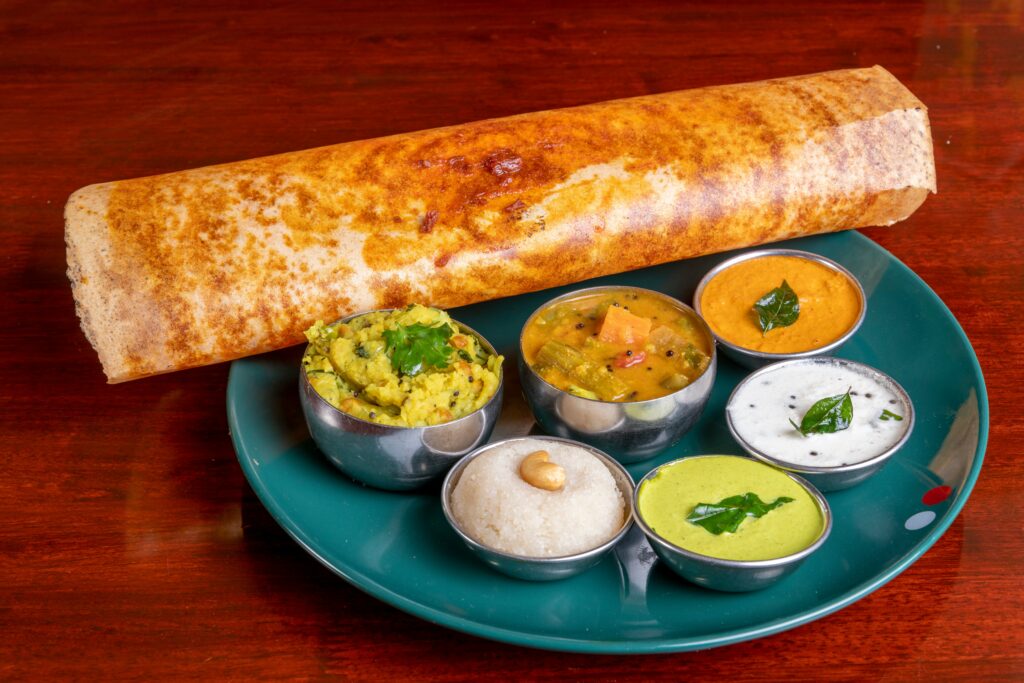
This is the easiest place in the country to eat vegan, hands down. South Indian cooking leans on coconut oil rather than ghee, and rice and lentils do most of the heavy lifting instead of dairy. Dosas (crispy, fermented rice-and-lentil crepes), idlis (steamed rice cakes), uttapams, and vadas are all naturally vegan or need only a small tweak, like skipping the ghee on top or the side of curd. Sambar, a tamarind-and-lentil stew loaded with vegetables, and rasam, a peppery, soupy counterpart, both show up constantly and are vegan by default in most kitchens. If you only ate your way through South India, you could go the whole trip without thinking twice about dairy.
North India
North Indian food is where things get richer, and where ghee, butter, and cream show up far more often. That said, there’s still plenty to work with. Sub-regional cuisines like Kashmiri, Himachali, and Sindhi cooking include plant-forward dishes that are easy to veganize, and simple dal and vegetable curries are everywhere. They just need a bit more specificity when you order, more on that shortly.
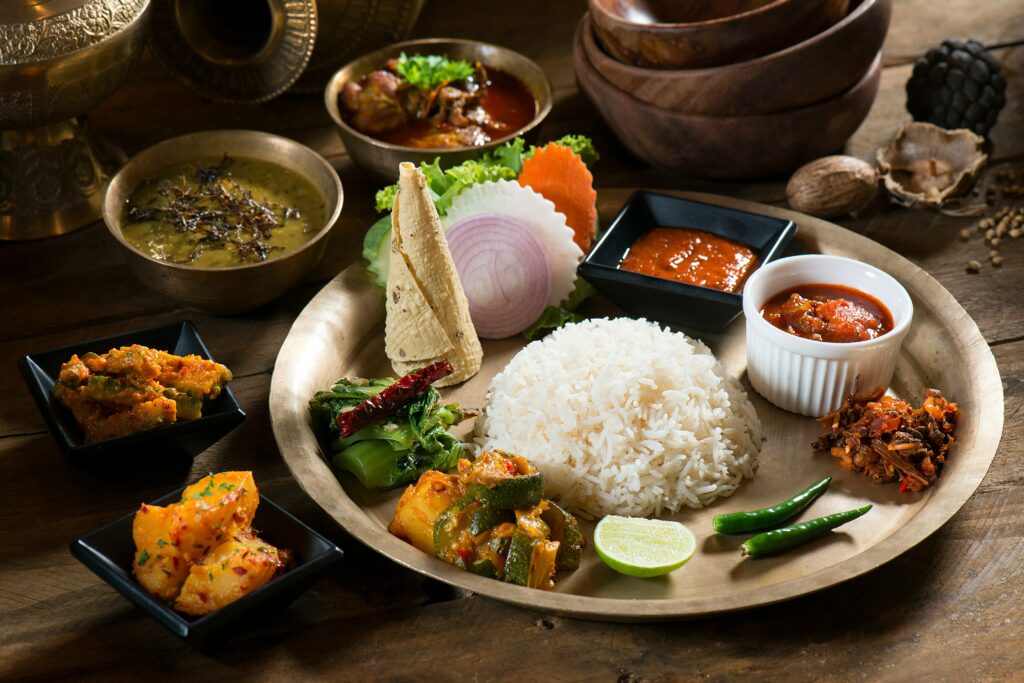
Gujarat and Rajasthan
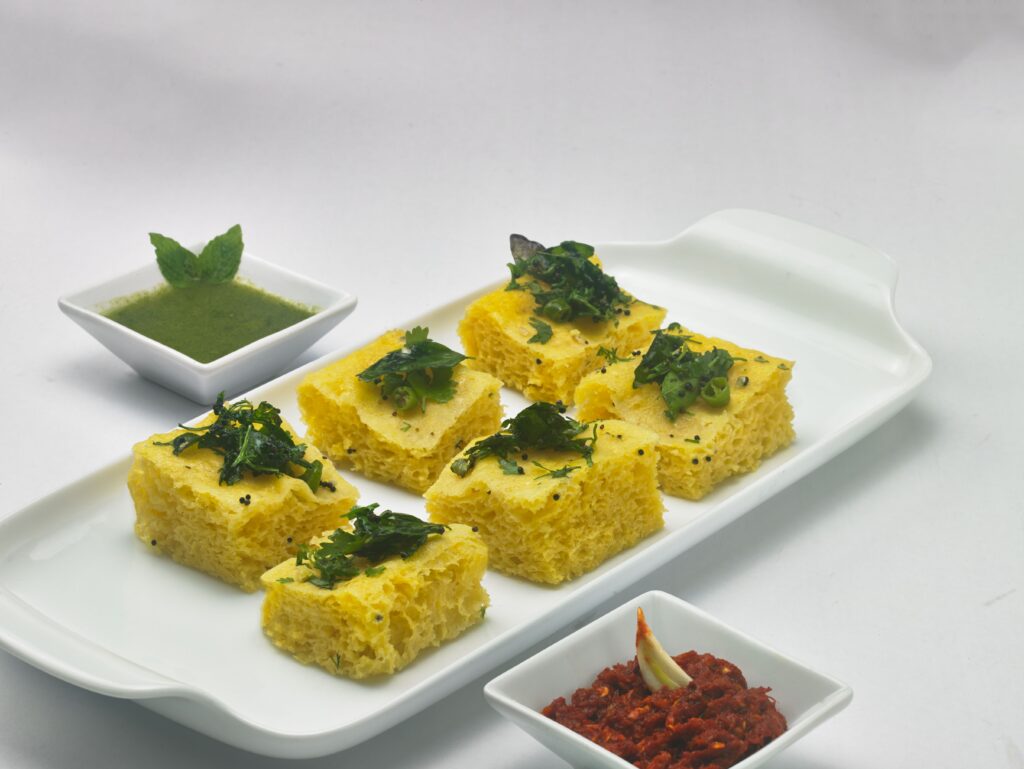
These two states have some of the strongest vegetarian food cultures in India, and also some of the richest dairy traditions, so it’s a mixed bag. Gujarat’s dhokla (a steamed, spongy chickpea flour snack) and thepla (spiced flatbread) are usually vegan-friendly. Rajasthan’s dal baati churma, a combination of lentils, baked wheat dumplings, and a sweet crumble, is a regional icon, though it’s traditionally finished with a generous amount of ghee, so it’s worth asking for it without. Millet-based dishes, common across both states, tend to be a safer bet.
A Note on Jain food
You’ll come across Jain food often in India, especially in Gujarat and Rajasthan, and it’s worth understanding how it differs from vegan. Jain cooking avoids onion, garlic, and root vegetables like potatoes and carrots, based on principles of causing minimal harm, and it’s mostly plant-based as a result. But it’s not vegan by default, dairy is still very much part of the Jain diet. It’s easy to assume “Jain” means “vegan” when you see it on a menu, but the two aren’t interchangeable, and Jain menus are one of the few places where dairy might still sneak past you even though everything else about the dish reads as clean and simple.
How to Actually Order
Don’t expect the easy substitutions you might be used to elsewhere: oat milk in your chai, a vegan paneer swap-in, plant-based yogurt on the side. Outside of dedicated vegan cafes, which do exist and are growing, especially in bigger cities, most restaurants and street food stalls simply aren’t set up to swap dairy out of a dish. Curd, paneer, and ghee are default ingredients, not optional add-ons, so asking a roadside spot to leave the yogurt out of a dish that’s built around it isn’t always realistic.
The more reliable approach is to choose dishes that are naturally vegan to begin with, rather than trying to modify dairy-heavy ones. Lean on South Indian staples, plain dal (ask if it’s finished with ghee or butter), vegetable curries cooked in oil rather than cream, and rice-and-lentil combinations. Street food is a mixed bag too. Plenty of options like pani puri and plain bhel puri are naturally vegan, but it’s worth asking if yogurt gets added on top.
For finding dedicated vegan spots, HappyCow is genuinely useful in India and covers a good range of cities, sorting places into vegan, vegetarian, and vegetarian-with-vegan-options. It won’t help much in smaller towns, but in the cities covered below, it’s a solid first stop.
Where Should You Go First?
If you’re planning a trip with vegan eating as a priority, a few cities and towns make it especially easy, with some great vegan-friendly hotels along the way too.
Bangalore
Widely considered India’s most vegan-friendly city, and it’s not close. The local dosa-and-idli culture is naturally vegan to begin with, and on top of that, Bangalore has one of the country’s strongest dedicated vegan cafe scenes, with spots serving everything from plant-based comfort food to more experimental menus.
Pune
A close second, with a genuinely thriving plant-based cafe culture. Pune has built up a strong reputation among vegan travelers for having options that go well beyond the usual vegetarian fallback: actual vegan menus, vegan bakeries, and cafes built around plant-based eating from the ground up.
Mumbai
India’s biggest city has a growing number of dedicated vegan restaurants and cafes, alongside the dense concentration of vegetarian options you’d expect from a city this size. It takes a little more searching than Bangalore or Pune, but the payoff is a huge range once you find your footing.
Delhi
The capital has a solid and growing spread of plant-based restaurants and cafes, plus enough vegetarian density that you’re never far from a solid meal, vegan or not. Worth building a few days around if you’re passing through the north.
Rishikesh
A yoga-and-ashram town in the foothills of the Himalayas with a genuinely vegan-forward culture, driven by the wellness and spiritual tourism the town is built around. Dedicated all-vegan cafes are easy to find here, and the overall food philosophy of the town lines up naturally with vegan eating.
Building a trip around even two or three of these gives you a strong home base of easy, reliable vegan eating, with day trips or onward travel to other regions filled in around them.

So… Is India Worth It for Vegans?
Yes, with a caveat worth remembering: India earns its reputation as a vegetarian paradise, but that reputation doesn’t automatically transfer to vegan eating without a bit of extra awareness.
Dairy runs deeper here than in most cuisines, ghee especially, and going in expecting easy substitutions will lead to more frustration than necessary.
But once you understand the shape of the challenge, it becomes a lot less of one.
South India alone offers enough naturally vegan food to eat well for weeks. Regional dishes across the rest of the country open up once you know which questions to ask and which ingredients to watch for. And a growing vegan cafe scene in cities like Bangalore, Pune, and Rishikesh means dedicated vegan eating is only getting easier to find.
India isn’t a place where veganism feels like an afterthought. It’s a place with an extraordinary plant-based food culture that happens to include a lot of dairy, and once you know how to work around that, it’s one of the most rewarding places in the world to eat.
And if everything above has you itching to see it for yourself, you don’t have to plan it alone.
Rebecca at Veggies Abroad is an all-in-one vegan travel planning extraordinaire and runs her own vegan tours worldwide, including an all-woman trip through India in 2027. It’s going to be amazing!
Spots are almost gone, so if you’ve been on the fence, this is your nudge to book.
Travel Inspiration
If you’re exploring more of Asia you might want to check out these articles.
The Most Vegan-Friendly Islands in Thailand
Is Singapore Vegan-Friendly? What to Know!
The Best Spots for Vegan Food in Ho Chi Mihn
Complete Guide to Thailand’s Vegetarian Festival
Where to Find Vegan Food in Tokyo
Vegan Guide Seoul: Where to Eat