Eating Vegan in Korea: What to Order and What to Avoid
This article contains affiliate links (paid links) and Veggies Abroad is a member of Amazon Services LLC Associated Program. At no cost to you, I may earn a small commission if you make a purchase — this helps keep Veggies Abroad churning out free content! For an explanation of our advertising partnerships, please review our privacy policy.
I lived in Sinchon, Seoul, for eight months as an exchange student at Ewha University, and I was vegetarian the whole time. I had stopped eating meat because of climate change, and in Seoul I quickly found friends who shared my interest in food. Several of them were vegan, so I saw up close what it takes to eat fully plant-based in Korea.
When I lived there, Seoul was experiencing a small wave of excitement around vegan restaurants. Today, almost all of the ones I knew have closed. The food scene in Seoul moves incredibly fast, and that is exactly why this guide is about food, not restaurants. Restaurants come and go, but once you know which Korean dishes are vegan and which ones hide fish or egg, you will be better prepared to eat well throughout the country. For current restaurant tips, see the Veggies Abroad guide to the best vegan restaurants in Seoul.
Quick Overview: Vegan Korean Food at a Glance
| Usually vegan | Ask first | Usually not vegan |
|---|---|---|
| Roasted chestnuts (군밤) | Bibimbap (비빔밥): egg, beef, yak-gochujang | Kimchi (김치): fish sauce, salted shrimp |
| Roasted sweet potatoes (군고구마) | Vegetable gimbap (야채김밥): egg, ham, fish cake | Tteokbokki (떡볶이): anchovy broth, fish cake |
| Temple food (사찰음식) | Mala xiang guo (마라샹궈): beef tallow in the base | Most soups and stews (찌개): anchovy broth |
| Plain soft tofu (순두부) | Hotteok (호떡): sometimes milk in the dough | Pajeon (파전): egg in the batter |
| Plain rice and most namul side dishes | Gochujang (고추장): yak-gochujang contains beef | Bingsu (빙수): milk ice, condensed milk |
Why Eating Vegan in Korea Is Tricky
On one hand, Korean food is full of vegetables: rice, tofu, seasoned greens, mushrooms, seaweed and more side dishes than you can count. On the other hand, a lot of food that looks completely plant-based is not. Most Korean cooking is built on a few bases, and several of them are not vegan:
- Myeolchi yuksu (멸치 육수), anchovy broth: the default stock for many soups, stews and even tteokbokki.
- Aekjeot (액젓), fish sauce, and jeotgal (젓갈), salted seafood: used in most kimchi and many seasoned side dishes.
- Gyeran (계란), egg: on top of bibimbap, inside gimbap, in pancake batter and as a garnish on noodles.
- Small amounts of meat: a few slices of beef or pork in dishes that are mostly vegetables.
Some of this was familiar to me. I had already traveled in Thailand, where fish sauce is in almost everything. As a vegetarian I was not 100% strict about hidden fish sauce, so it did not catch me out too often. But if you are vegan and want to be completely sure, the only safe option is a restaurant that is clearly labeled vegetarian or vegan. Everywhere else, the tips below help you choose the right dishes and ask the right questions.
Another challenge is that “vegan” is not always widely understood in Korea. Saying “I’m vegetarian” often means “no big pieces of meat” to the cook, not “no fish broth”.
What to Order: Usually Vegan or Easy to Make Vegan
Bibimbap (비빔밥) Without Egg and Meat
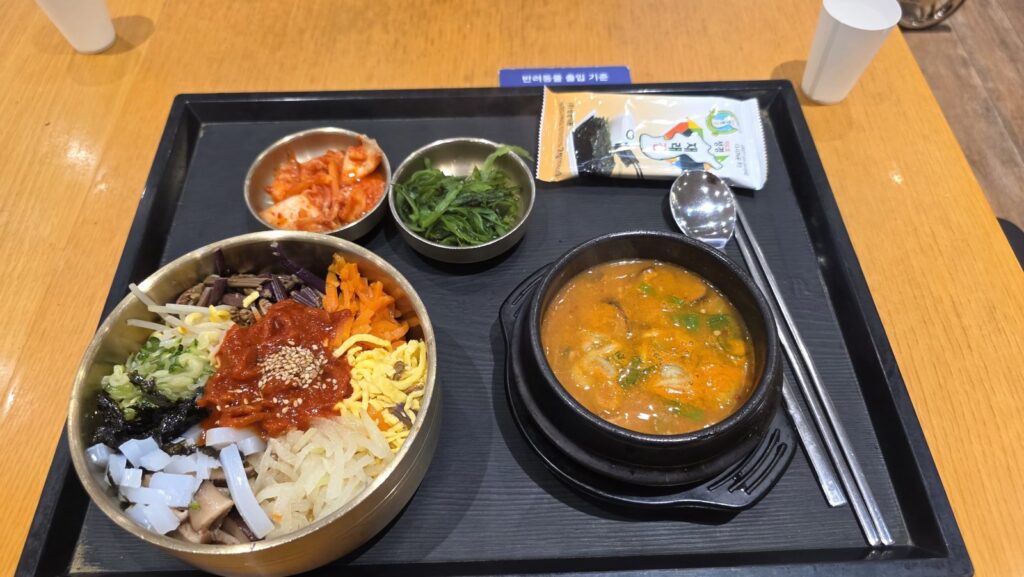
Bibimbap is rice topped with seasoned vegetables (namul), gochujang chilli paste and sesame oil. It is one of the easiest Korean dishes to adapt for vegans. Plain gochujang (고추장) is usually vegan, but many bibimbap restaurants serve yak-gochujang (약고추장), a gochujang sauce stir-fried with minced beef. Ask “Gochujang-e gogi deureogayo?” (고추장에 고기 들어가요?), is there meat in the gochujang? The other problem is what goes on top: a fried egg or raw yolk, and in some versions beef. Ask for it without: “Gogi, gyeran ppae juseyo” (고기, 계란 빼 주세요), please leave out the meat and egg. Sanchae bibimbap (산채비빔밥), made with mountain vegetables, is common near temples and national parks and is often meat-free from the start. Watch the small bowl of soup that comes with it, which is often made with anchovy or beef stock.
Tofu: Plain Sundubu (순두부)
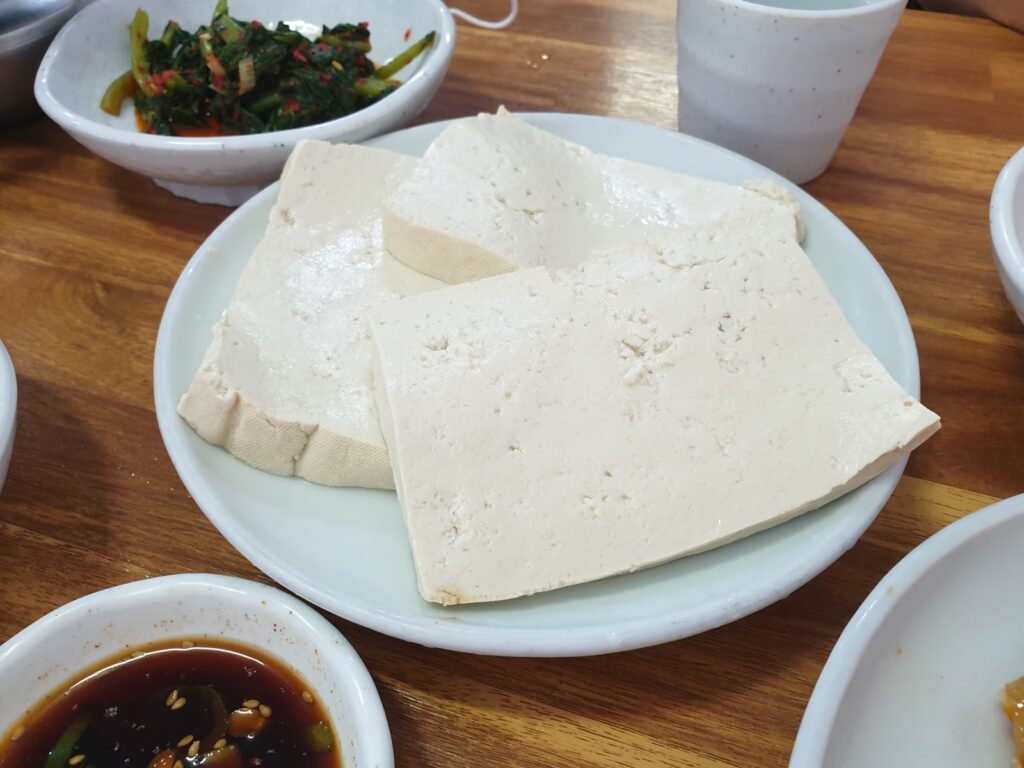
Korea makes excellent tofu. In Chodang Tofu Village on the east coast, soft tofu is made with seawater and served plain in its own liquid, which is usually just soybeans and water. I ate it there myself. It tastes very plain: just soft, fresh tofu. I personally like that, but for some people it could be too boring. Either way, it is one of the easiest vegan meals you will find outside a vegan restaurant. Be careful with the famous red sundubu jjigae (순두부찌개), the spicy soft tofu stew, though. It usually contains seafood or pork and an egg cracked into the bowl.
Temple Food (사찰음식)
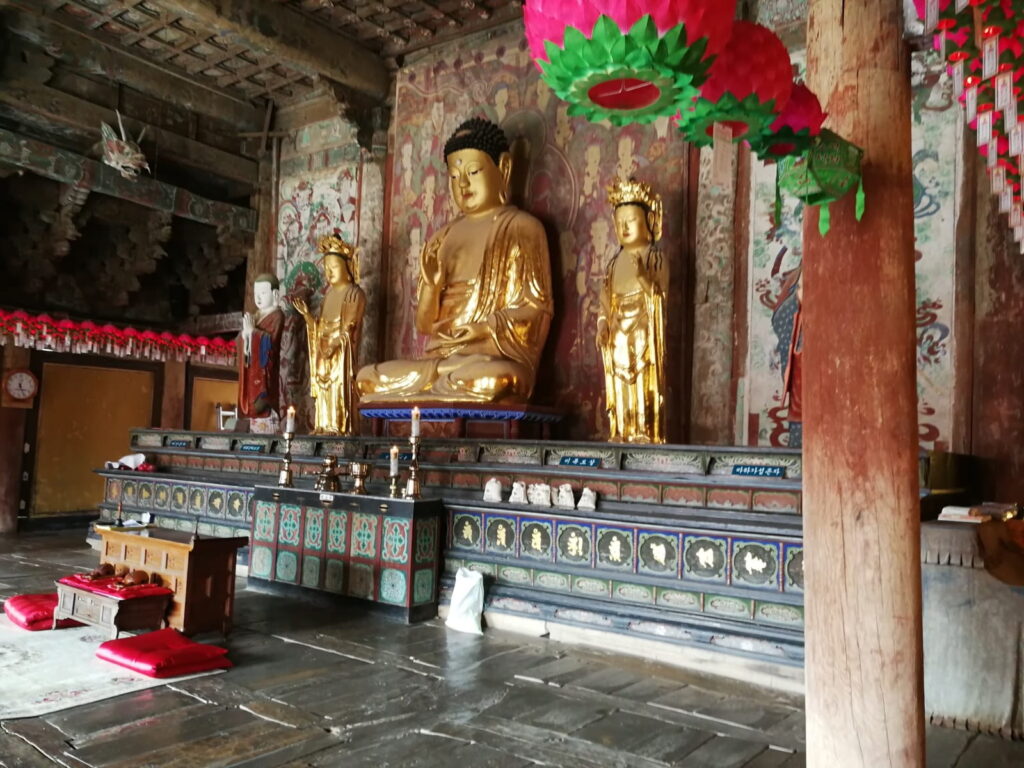
Korean Buddhist temple food (sachal eumsik) is one of the most reliable choices in the country. It traditionally uses no meat, fish, eggs or dairy, and it even leaves out garlic, onion, green onion, chives and leeks. You can eat it at temple food restaurants in Seoul or as part of a temple stay. A temple stay was on my list when I lived in Seoul, but I never made it. If you have the time, do it.
Street Snacks: Roasted Chestnuts, Sweet Potatoes and Hotteok
In autumn and winter, street carts sell gunbam (군밤), roasted chestnuts, and gun-goguma (군고구마), roasted sweet potatoes, which are roasted until warm and tender. Roasted chestnuts were my favourite street snack in Seoul: a warm paper bag of them on a cold evening is hard to beat. Hotteok (호떡), a pan-fried pancake filled with brown sugar and nuts, is often vegan too, because the dough is usually just flour, yeast, sugar and water. Some vendors add milk, so it is always important to double check.
My Go-To Meal: Mala Xiang Guo (마라샹궈)
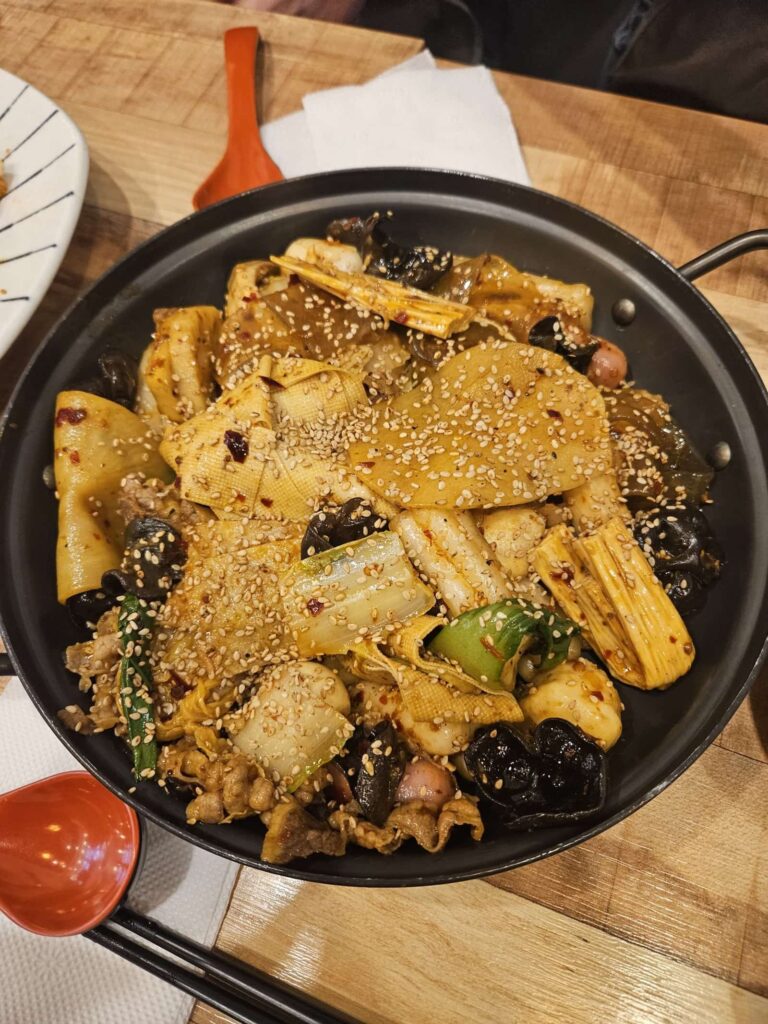
Mala xiang guo, a spicy Sichuan stir fry, is everywhere in Sinchon and other student areas, and it was my go-to meal. I ate it at least once a week. You pick your own ingredients from a fridge, like tofu skin, mushrooms, glass noodles, greens and lotus root, which was always my favorite, and they stir-fry everything in mala sauce. Even my friends who ate meat often skipped the meat in their bowl, because it was usually low-quality frozen meat. If they wanted some, they ordered it on the side, which made it easy for us to eat together.
One warning for vegans: many mala bases are made with beef tallow, so ask whether the sauce contains beef fat or other animal ingredients. I wrote more about eating around Ewha and Yonsei in my Sinchon Seoul guide.
Fresh Gimbap (김밥), Made to Order
My number one tip is to visit small gimbap shops where they roll everything fresh in front of you. Because each roll is made to order, you can ask for a version without egg, ham, fish cake or tuna. Yachae gimbap (야채김밥), vegetable gimbap, is the one to ask for: “Gyeran, haem, eomuk ppae juseyo” (계란, 햄, 어묵 빼 주세요), please leave out the egg, ham and fish cake.
My guilty pleasure was gimbap with only Korean chillies: just rice, seaweed and green chilli. It sounds too simple, but it tasted so good. Only order it if you really love chillies.
Convenience Stores
Korean convenience stores such as GS25, CU and 7-Eleven are often open 24 hours and are handy when you need something quick. Honestly, I mostly skipped them, because I wanted to eat healthily. If you do go, bananas, nuts, plain rice and tofu are safe. Most instant ramyeon contains beef or seafood powder, and triangle gimbap and ready meals usually contain tuna, ham or egg, so read labels with a translation app.
What to Avoid: Looks Vegan, Usually Is Not
Kimchi (김치)
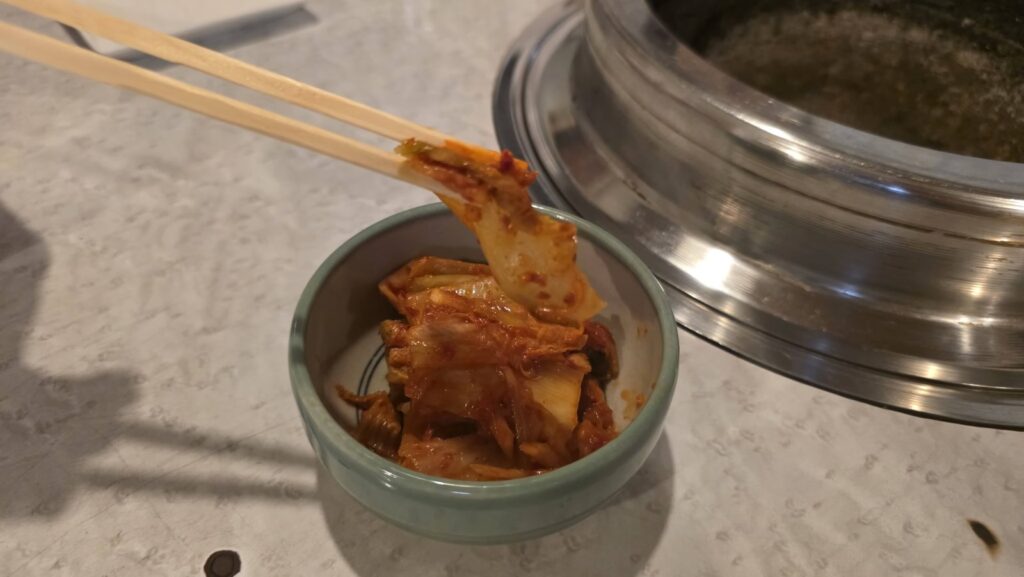
Kimchi comes free with almost every meal, and most of it is made with fish sauce or salted shrimp. Vegan kimchi does exist, especially at temple food and vegan restaurants. To check, ask “Jeotgal deureogayo?” (젓갈 들어가요?), does it contain salted seafood?
Tteokbokki (떡볶이)
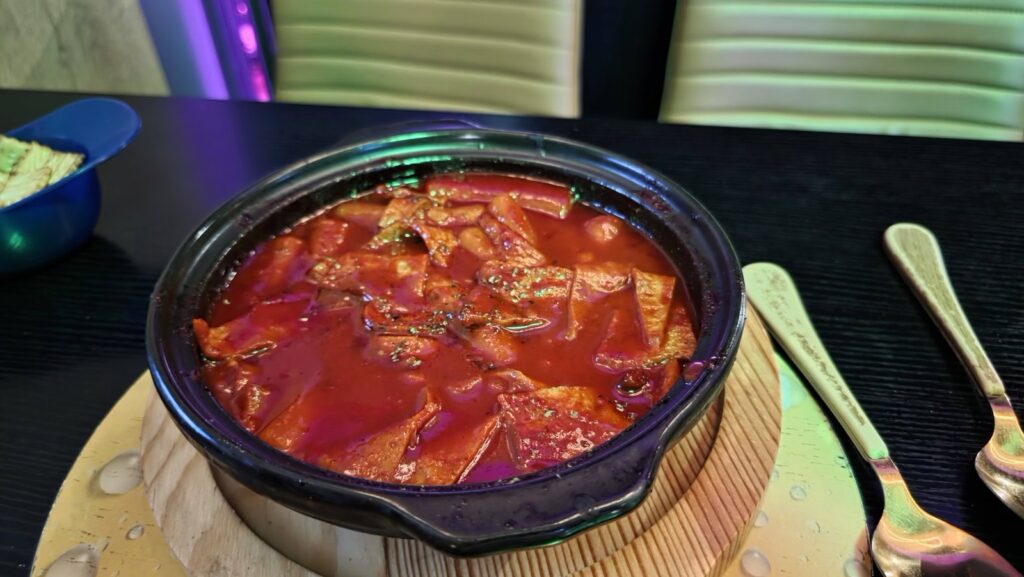
The rice cakes are vegan, but the sauce is usually made with anchovy broth, and fish cakes are cooked in the same pot. Street food tteokbokki is almost never vegan.
Soups, Stews and Cold Noodles
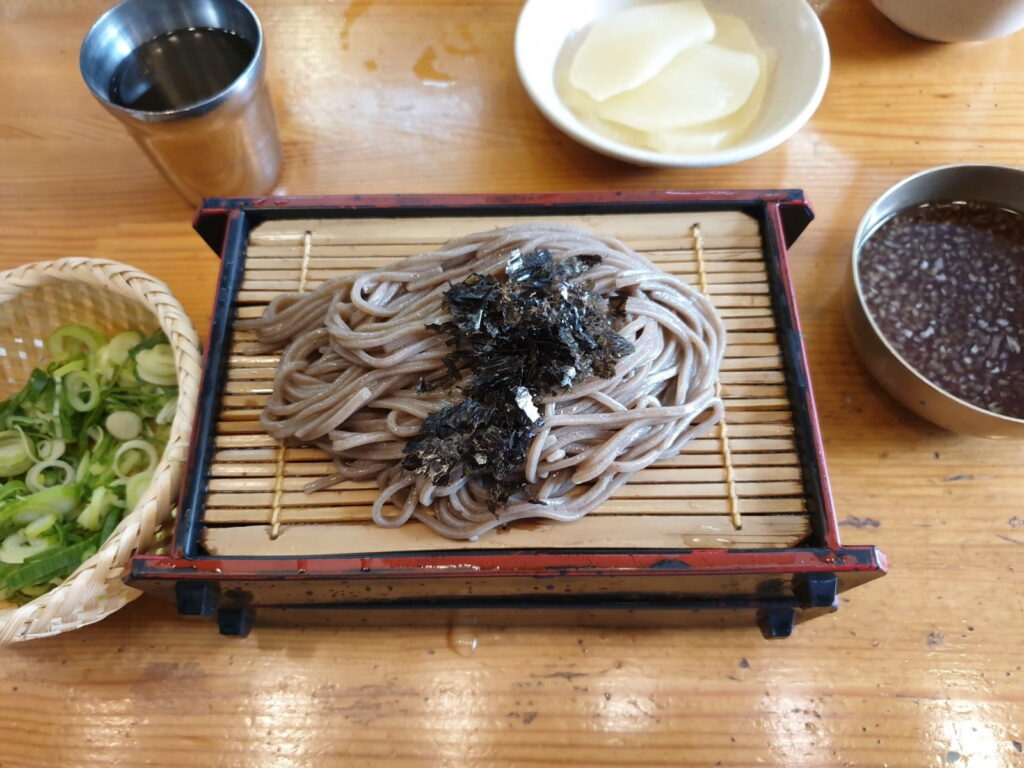
Doenjang jjigae (된장찌개), soybean paste stew, and kimchi jjigae (김치찌개) usually start with anchovy broth, even when they look vegetable-only. The same goes for many noodle dishes: memil-guksu (메밀국수) is served with a dipping sauce that is normally made with fish stock, and the broth of cold naengmyeon (냉면) is usually beef-based.
Pancakes and Bingsu
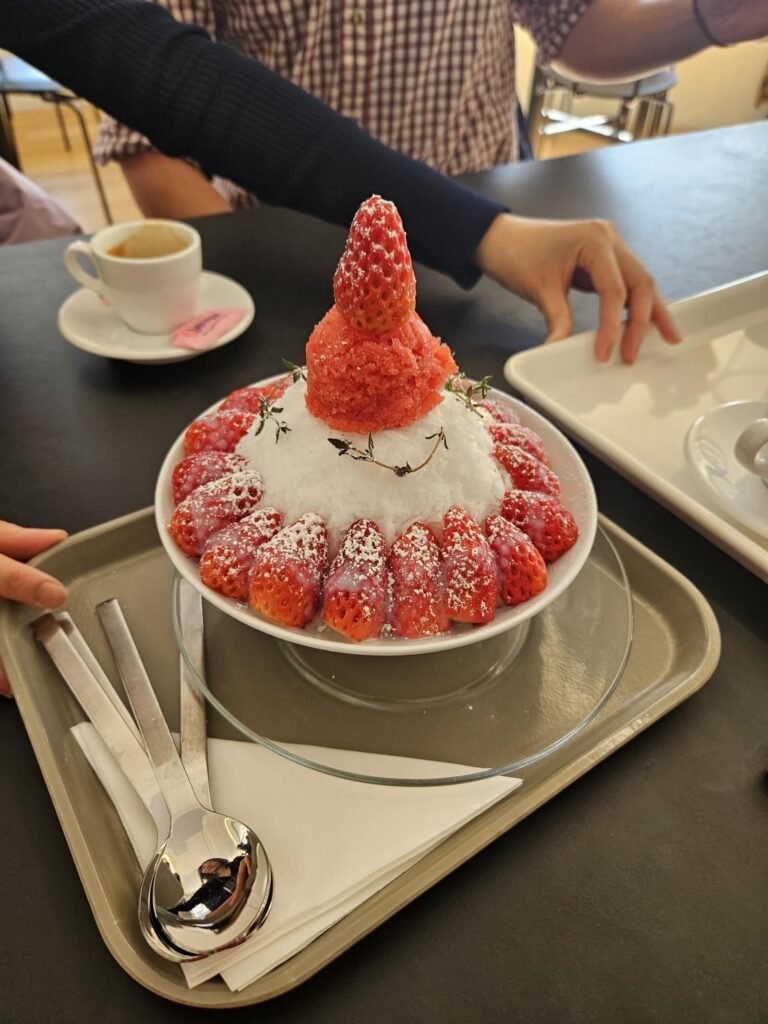
Pajeon (파전), savory pancakes, usually have egg in the batter. Bingsu (빙수), the shaved ice dessert, is made with milk ice and topped with condensed milk, so it is vegetarian but not vegan. If you are vegan, simply leaving out the milk does not work, because it loses what makes bingsu taste like bingsu. Look for a dedicated vegan bingsu cafe instead.
What to Say: Korean Phrases You Can Copy
My Korean was very bad, so I wrote down the important sentences and showed them to staff. That worked much better than trying to pronounce them. Copy the Korean below into your phone notes:
| Korean (show this) | Pronunciation | Meaning |
|---|---|---|
| 저는 고기, 생선, 계란, 우유 안 먹어요. | Jeoneun gogi, saengseon, gyeran, uyu an meogeoyo. | I don’t eat meat, fish, eggs or milk. This works better than saying “vegan”. |
| 고기 빼 주세요. | Gogi ppae juseyo. | Please leave out the meat. Replace 고기 with 계란 (egg) or 어묵 (fish cake). |
| 멸치 육수 들어가요? | Myeolchi yuksu deureogayo? | Is there anchovy broth in it? |
| 젓갈 들어가요? | Jeotgal deureogayo? | Does it contain salted seafood? Useful for kimchi. |
| 고추장에 고기 들어가요? | Gochujang-e gogi deureogayo? | Is there meat in the gochujang? |
| 채식 메뉴 있어요? | Chaesik menyu isseoyo? | Do you have a vegetarian menu? |
My Top Tips for Vegan Travellers in Korea
- Go to fresh gimbap shops. They make each roll to order, so you can request vegan ingredients and ask about sauces and seasonings.
- Show your request in writing. A short note in Korean on your phone avoids misunderstandings.
- For greater peace of mind, choose clearly labeled vegan restaurants or traditional temple food restaurants. At vegetarian restaurants, it is still worth confirming whether fish-based ingredients are used.
- Use the right apps. Naver Map works well (Google Maps does not), Papago is great for translating menus, and HappyCow helps you find vegan places that are still open.
- Outside Seoul, it gets harder. In coastal cities like Busan, seafood appears in many dishes, so plan your meals ahead.
Is Korea Good for Vegans?
Korea is not an easy country for vegans, but things have changed. There are more options now, and people are more aware of what vegan means. On my recent trips, I saw vegan restaurants by coincidence, not only when I was searching for them. Once you know where fish sauce and anchovy broth hide, you can eat very well: bibimbap without the egg, plain tofu, temple food, fresh vegetable gimbap, roasted chestnuts and a bowl of mala piled high with lotus root. For an overview of all the dishes you will see on menus, my Korean food guide explains more than 30 of them.
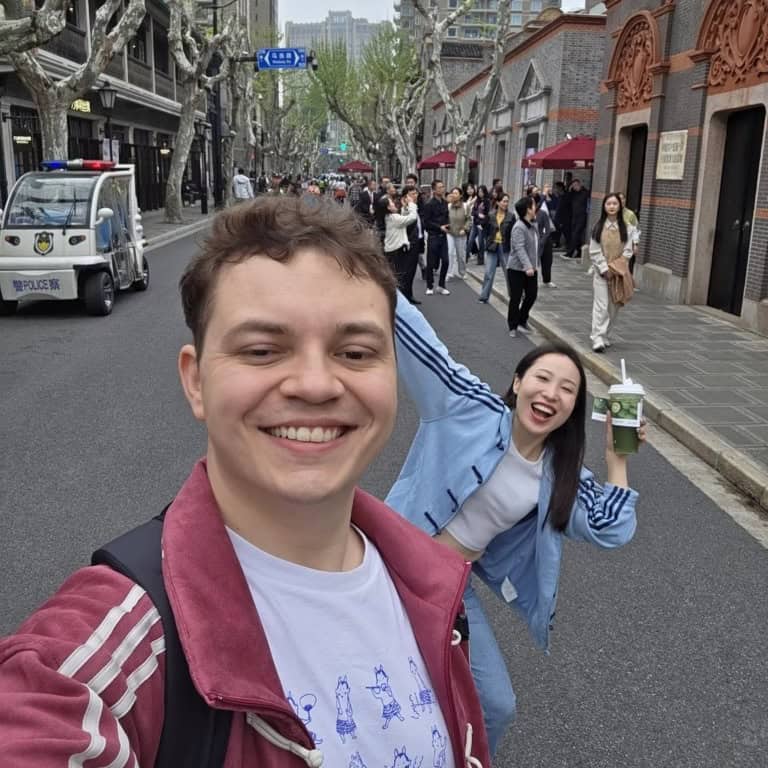
About the author: Max is a Swiss travel writer from Solothurn. He spent eight months in Seoul as an exchange student at Ewha University, where he was vegetarian, and lived in Tokyo for three years while studying at Waseda University. He writes practical travel and food guides about Korea, Japan and Switzerland at Max on the Move.
Asia Travel Inspiration
If you’re exploring more of Asia, you might want to check out these articles.
Best Vegan Restaurants in Hanoi Not To Miss
Where to Find Vegan Food in Hoi An
The Best Vegan Food in Ho Chi Mihn
The Most Vegan-Friendly Islands in Thailand
Where to Find Vegan Food in Bangkok
Where to Find Vegan Food in Phnom Penh, Cambodia
Thailand vs. Vietnam for Vegans
Accidently Vegan Foods to Try in India